Albert Curé
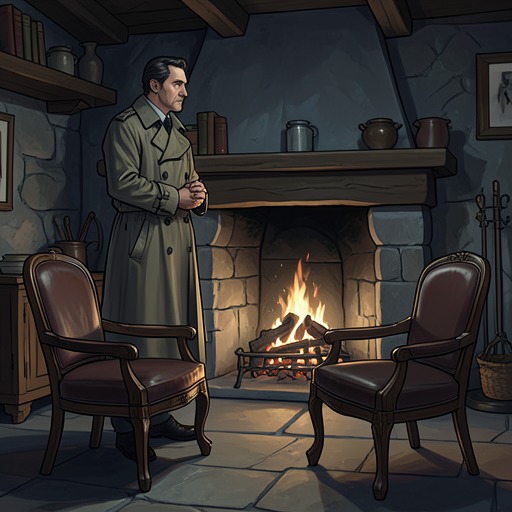
An Officer and a SpyAlbert Curé is Georges Picquart’s old army comrade and a trusted point of contact in Rouen. His brief appearance gives Picquart a place to turn during a sensitive inquiry: Curé respects the limits imposed by secrecy, yet offers a pointed warning about Charles Ferdinand Walsin Esterhazy before Picquart approaches him.
Identity and Background
Curé is identified as a major in the 74th Infantry Regiment, stationed in Rouen, and as an old comrade of Picquart from Tonkin. Their shared military past gives the visit an established personal footing, though the account supplies no broader biography or details of their earlier service together. At the time of Picquart’s visit, Curé is serving in a large garrison whose regiment occupies the Pélissier barracks.
The Visit to Rouen
Picquart contacts Curé by telegram, telling him he will be in the area the next day and asking whether he may call. Curé’s reply is a single word: “Delighted.” Picquart travels from Gare Saint-Lazare to Rouen and goes to the barracks, where the two men meet. The planned visit is not simply a social call: Picquart is pursuing a grave matter but does not disclose its purpose.
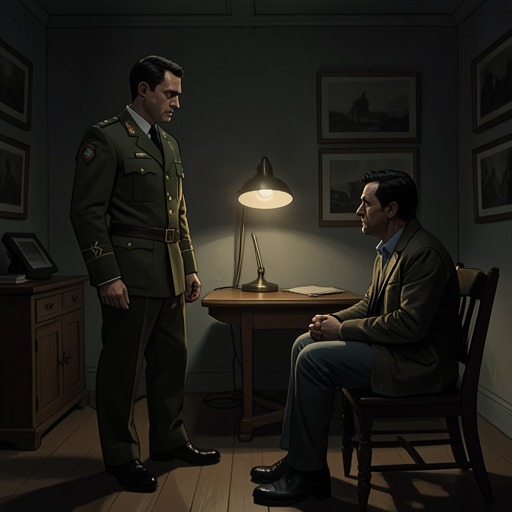
When Picquart says he cannot tell him what the matter concerns, Curé accepts the boundary without pressing for an explanation. He nods, says he expected as much, and begins buttoning his tunic, then suggests that they go outside to clear their heads. The exchange presents Curé as both familiar enough to understand Picquart’s reticence and disciplined enough not to demand information he has been denied.
Warning About Esterhazy
Walking around the perimeter of the parade ground, Curé acknowledges that Picquart cannot explain the inquiry, but advises him to be careful in approaching Charles Ferdinand Walsin Esterhazy. Asked whether he means physically dangerous, Curé answers, “In every way,” and then asks how much Picquart knows about him. The warning is firm, but the passage does not specify its grounds or describe any danger Curé himself has faced. Its force lies in its timing: Curé recognizes that the undisclosed mission concerns a person who warrants caution before Picquart has explained what he is investigating.
Role in the Narrative
Curé’s contribution is concise but consequential. He does not solve Picquart’s problem or receive its secrets; instead, he offers the kind of practical counsel made possible by an old military friendship. The scene sets personal trust against the restrictions of official secrecy: Picquart withholds the substance of his mission, Curé accepts that silence, and their conversation still produces a warning relevant to the investigation. Curé thus serves as a grounded confidant whose value lies not in access to the case file but in his independent judgment about the man Picquart is preparing to approach.